The Complete Guide to Natural Weight Loss in 2026
How Your Metabolism Actually Works After 40
You hit 40 and suddenly your clothes fit differently, right? You're eating the same way you did at 30, moving around just fine, but the scale doesn't budge like it used to. Sound familiar? A lot of people chalk this up to "slowing metabolism" and assume it's just inevitable aging. But here's the thing — what's actually happening in your body is way more nuanced than that simple explanation, and understanding it matters because it changes how you approach your weight.
Your metabolic rate does decline with age, but it's not some mysterious force. Research shows that after age 30, your resting metabolic rate decreases by roughly 5% per decade, which means a 50-year-old might burn about 100 fewer calories per day at rest compared to when they were 30 — assuming everything else stays the same. But that's the key phrase: assuming everything else stays the same. Most people don't. What really drives this decline isn't age itself — it's what happens to your body composition. You lose somewhere between 3% and 8% of your muscle mass per decade after 30, a process called sarcopenia. Since muscle tissue burns more calories than fat tissue, even at rest, losing muscle is like downgrading your body's engine. A pound of muscle burns roughly 6 calories per day, while a pound of fat burns about 2. Do the math over time and that adds up.
Studies on aging metabolism, particularly research from Tufts University and other institutions studying resistance training in older adults, show that this decline isn't destiny. People who maintain or build muscle mass as they age don't experience the same metabolic slowdown. Hormonal shifts also play a huge role — declining estrogen in women during perimenopause and menopause, lower testosterone in men, and changes in how your body handles insulin all affect how efficiently you store and use energy. Your thyroid function may also shift, and mitochondrial function declines slightly with age, meaning the tiny powerhouses inside your cells become less efficient at producing energy.
Consider what happens in a typical scenario in Austin, Texas. A 45-year-old woman stops exercising regularly and sits at a desk job all day. Her muscle mass declines steadily. Even if she eats exactly what she did at 35, she'll gain weight because she's lost the metabolic advantage of muscle tissue. But her coworker who strength trains three times a week? Different story. The maintenance of muscle mass keeps metabolic rate much more stable.
Here's a myth that's worth busting: You can't "boost" your metabolism permanently through tricks or supplements. The idea that certain foods "speed up" metabolism is oversimplified. Yes, your body burns calories digesting food (more on that later), but no food or supplement can fundamentally change your resting metabolic rate in a lasting way. What you can do is support it by maintaining muscle and staying active.
The incomplete model of "calories in, calories out" falls apart for people over 40 because it ignores body composition. You could maintain the same calorie intake and activity level, but if you lose muscle, you'll gain fat. That's not a failure of willpower — that's biology. The practical takeaway: strength training isn't optional if you want your metabolism to function efficiently in your 40s, 50s, and 60s. Even light resistance work, done consistently, signals your body to preserve muscle tissue. Getting adequate protein — roughly 0.7 to 1 gram per pound of body weight — also supports muscle maintenance.
Understanding these metabolic shifts is your foundation for smart weight management. Now let's talk about the actual mechanisms your body uses to mobilize and burn fat.
The Science Behind Natural Fat Burning
When you hear "fat burning," it probably sounds like something magical or mysterious — like your body has some secret mode that's either turned on or off. But the truth is way more straightforward. Your body is constantly burning fat. Right now, sitting and reading this, you're oxidizing fat for energy. This isn't some special state you unlock — it's just how your metabolism works. The question isn't whether you burn fat, but rather how efficiently your body mobilizes and uses stored fat for fuel, and what factors influence that process.
Let's start with thermogenesis, which is basically the calories your body burns just existing and moving through the world. There are three components: resting metabolic rate (the energy you burn doing nothing), the thermic effect of food (calories burned digesting and processing what you eat), and activity thermogenesis (calories burned during exercise and movement). Of these, the thermic effect of food might surprise you — your body burns roughly 10% of daily calories just digesting food. But here's where it gets interesting: protein has a much higher thermic effect than carbs or fat. Your body burns about 20% to 30% of protein calories during digestion, compared to just 5% to 10% for carbs and 0% to 3% for fat. So when people say protein "boosts metabolism," what they really mean is that your body burns more calories processing protein itself — not that your resting metabolic rate increases.
Brown adipose tissue — also called brown fat — is where some of the cooler fat-burning science happens. Unlike white fat, which stores energy, brown fat is metabolically active and actually burns calories to generate heat through a process called non-shivering thermogenesis. Studies on brown fat activation show that cold exposure, physical activity, and certain compounds may support brown fat activity, though the practical impact on overall weight management is still being researched. A frequently cited study from Cell Metabolism showed that regular physical activity increases markers of brown fat activity in humans, suggesting that exercise isn't just burning calories through movement — it's also making your fat tissue itself more metabolically active.
Think about what this looks like in real life. Someone in Denver, Colorado, where it's cold much of the year, might actually have slightly more brown fat activation than someone in a warmer climate — cold exposure naturally stimulates this mechanism. But the bigger player is activity level. The person who walks, strength trains, or does any consistent movement is continuously signaling their mitochondria to stay efficient at fat oxidation.
There's a common misconception that you need to exercise in a special "fat-burning zone" to mobilize fat. The idea goes that low-intensity cardio burns more fat percentage-wise than high-intensity exercise. Here's the reality: It's true that during lower-intensity activity, your body relies more on fat as a fuel source compared to carbs. But total calorie expenditure matters way more than the percentage breakdown. A 30-minute high-intensity workout might burn 400 total calories with a higher carb-to-fat ratio, while a 30-minute leisurely walk burns 150 calories using more fat percentage-wise. You've still burned more total energy with the intense workout, and you've also triggered metabolic adaptations that improve fat oxidation capacity long-term.
Mitochondrial health is the deeper layer here. Your mitochondria are the actual sites where fat gets oxidized for energy. When your mitochondria are functioning well — which happens through consistent physical activity, adequate protein, micronutrient status, and good sleep — your body gets better at mobilizing and burning fat efficiently. This is why someone who exercises regularly seems to lose fat more "easily" than a sedentary person eating the same calories. It's not easier; their mitochondria are just better trained at the job.
What you can do starting today: Add movement to your day, prioritize protein intake, and focus on consistency over intensity. Your body's fat-burning machinery works best when it's regularly used and well-maintained. These metabolic capabilities aren't fixed — they respond to how you treat your body.
Understanding Appetite and Hunger Hormones
You know that feeling around 3 PM when you suddenly can't stop thinking about food, even though you ate lunch two hours ago? That's not a character flaw — it's your hormones talking. Your body produces a complex symphony of appetite-regulating hormones that communicate constantly with your brain, and when these messengers get out of sync, willpower becomes almost irrelevant. Understanding how these hormones work is the key to finally grasping why weight management feels so much harder for some people than others.
Let's start with ghrelin, often called the hunger hormone. This guy is produced mainly in your stomach and signals to your brain that it's time to eat. When you're sleep-deprived or chronically stressed, ghrelin levels spike — research suggests that missing just a few hours of sleep can increase ghrelin production by up to 28%. On the flip side, there's leptin, the satiety hormone produced by fat cells. Leptin tells your brain "hey, you're full, stop eating." But here's the problem: when leptin levels drop — which happens with sleep deprivation, by the way — leptin production can decrease by as much as 18%. You're getting hit from both sides: more hunger signals and fewer fullness signals simultaneously.
Then there are the newer players on the scene — GLP-1 (glucagon-like peptide-1) and peptide YY. These are incretin hormones released when you eat protein and fiber-rich foods, and they slow stomach emptying while increasing feelings of fullness. Studies looking at how GLP-1 functions in appetite regulation show that higher levels consistently correlate with reduced food intake and better glucose control. Peptide YY works similarly, and both of these hormones seem to be suppressed in people who eat ultra-processed foods regularly.
In Austin, Texas, a research team at the University of Texas studied the effects of sleep deprivation on eating behavior and found that people who slept five hours or less consumed an average of 385 more calories per day compared to those who slept seven to nine hours. That's not about willpower — it's pure biology. Your brain literally gets flooded with signals telling you to eat more when you're tired.
Here's a common myth: "Just eat less and move more." Sound familiar? This advice completely ignores the hormonal reality. When you're in a state of leptin resistance — where your brain stops responding properly to leptin signals despite adequate or even high leptin levels — restricting calories often backfires. Your body interprets calorie restriction as starvation, so ghrelin spikes even higher, making the whole thing a losing battle. Willpower becomes exhausting because you're fighting against your own neurochemistry.
So what can you actually do about this? Start with sleep — genuinely prioritize seven to nine hours nightly, because that single change may support healthy ghrelin and leptin signaling. Add more fiber and protein to your meals, especially at breakfast, because both nutrients stimulate GLP-1 and peptide YY release. Manage stress through whatever actually works for you, whether that's walking, meditation, or time with friends, since chronic stress keeps ghrelin elevated. Certain plant-based compounds — like those found in berberine, cinnamon, and green tea — have been studied for their potential to support normal appetite hormone function and metabolic health.
Now that you understand why your hormones are fighting against you, let's talk about the specific plant-based ingredients that research suggests may help bring these messengers back into balance.

Plant-Based Ingredients That Support Weight Management
You've probably seen supplement labels with ingredients you can't pronounce, making wild claims about fat-burning and metabolism boosting. But what actually works? The truth is messier and more interesting: certain plant compounds have legitimate research behind them, though most work modestly and work best alongside real lifestyle changes. Here's what the science actually shows about the ingredients that researchers keep studying for weight management support.
Berberine is an alkaloid found in plants like barberry, Oregon grape, and goldenseal, and it's got some genuinely compelling research. Studies suggest that berberine may support glucose metabolism and healthy blood sugar stability — one meta-analysis looking at multiple berberine studies found participants showed improvements in fasting blood glucose levels and better insulin sensitivity. The typical research dose is around 500 milligrams taken two to three times daily, and results usually show up after several weeks of consistent use. What's interesting is that berberine seems to work partly by supporting healthy gut bacteria, which connects back to those appetite hormones we just discussed.
Cinnamon gets a lot of hype, and the research is real but modest. Studies indicate that cinnamon may help with blood sugar stability, particularly when taken with meals containing carbohydrates. The active compounds in cinnamon — cinnamaldehyde and other polyphenols — appear to slow stomach emptying and increase insulin sensitivity. Most research uses between half a teaspoon to a full teaspoon of cinnamon daily, usually taken with food. The effect size is small to moderate, meaning you're talking about maybe a 10 to 15 percent improvement in blood sugar response, not a dramatic transformation.
Banaba leaf extract contains corosolic acid, and it's traditionally been used in Southeast Asia for blood sugar support. Limited clinical research shows that banaba leaf may support healthy glucose metabolism, similar to how cinnamon works but through slightly different mechanisms. If you've ever been to Denver, Colorado, you'd find banaba supplements in almost every natural health store, yet most people have never heard of it. The research is less robust than berberine, but what exists is promising enough that researchers continue studying it.
Green tea and its catechin EGCG deserve their reputation. Research shows that EGCG — that's epigallocatechin gallate, the main active compound in green tea — may support fat oxidation during exercise, particularly in people who drink green tea regularly. Studies indicate about a 4 to 5 percent increase in fat oxidation during moderate-intensity exercise when people consumed green tea before training. The keyword here is during exercise — these aren't magical compounds that burn fat while you sit on the couch. But combined with actual physical activity, they may provide modest support. Black tea drinkers get some benefits too, just fewer catechins than green tea.
Apple cider vinegar has exploded in popularity, but the evidence is limited. A few small studies suggest that acetic acid in apple cider vinegar may support satiety and blood sugar stability when consumed with meals, possibly by slowing stomach emptying. We're talking about maybe one to two tablespoons diluted in water before meals. The research is preliminary, and many of the claims online far exceed what the actual studies show. Don't expect miracles here — but if you enjoy it, it probably won't hurt and might provide a tiny bit of support.
Resveratrol, found in red grape skins, dark berries, and red wine, has become popular because of research suggesting it may support metabolic health and support cellular health. Some studies in animals and cell cultures show resveratrol may activate pathways related to metabolism, but human studies are limited and results are modest. You'd get resveratrol naturally by eating grapes, berries, or enjoying moderate amounts of red wine — supplements aren't necessary unless you're trying to get large concentrated doses.
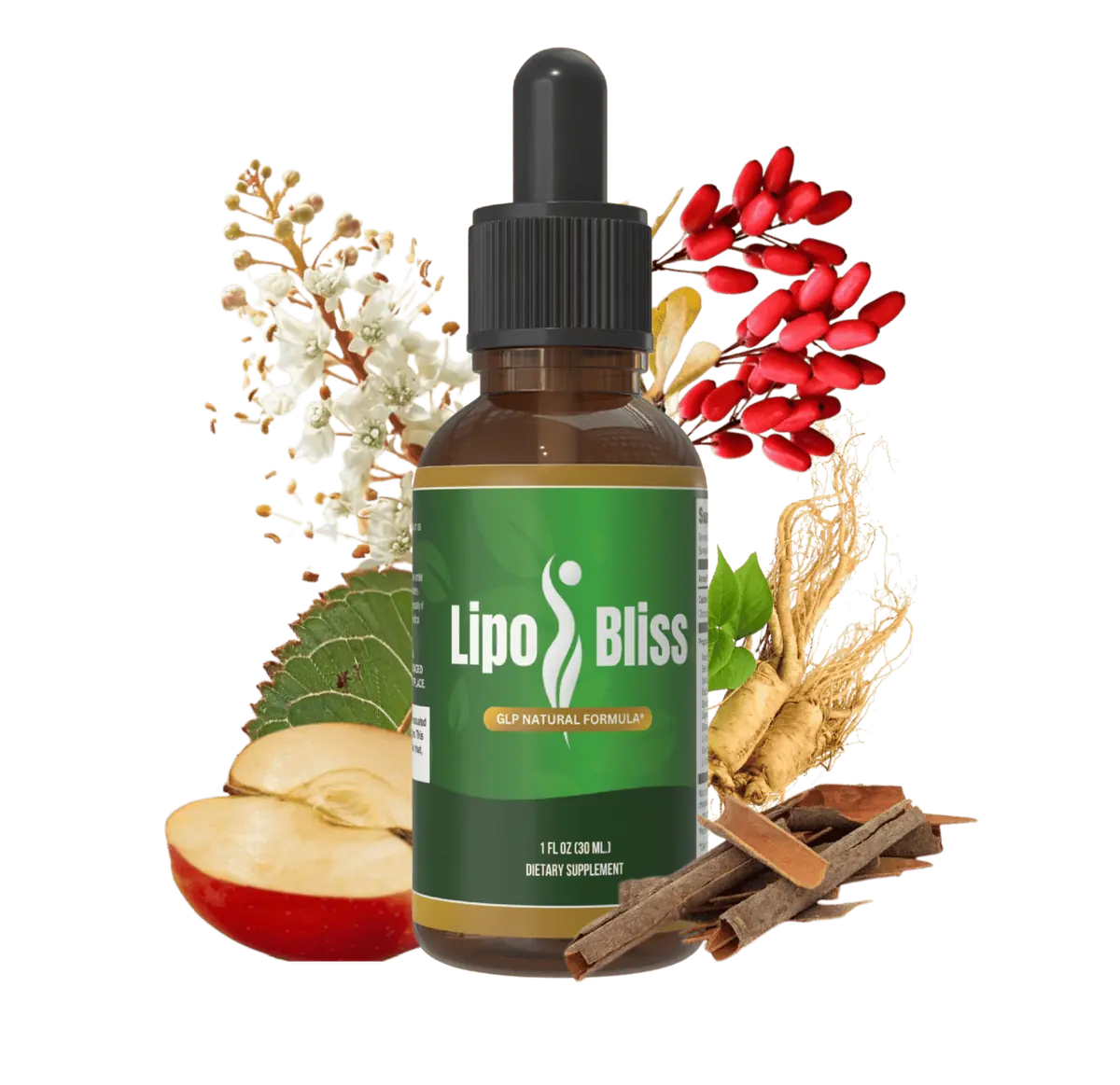
Here's the reality check: some people incorporate supplements containing these ingredients — like LipoBliss and similar formulas — as part of their routine. But these should never be your foundation. Food sources and lifestyle are what actually matter. If you're going to use these plant compounds, do it alongside actual behavior changes: eating more fiber, sleeping better, managing stress, and moving your body regularly. That's when you'll see real results. These ingredients work best as supporting players in your overall health strategy, not as the main act.
Liquid Supplements vs Pills vs Capsules for Weight Loss
You're standing in a supplement aisle, staring at three different delivery formats of the same ingredient, and wondering which one actually works better. Should you grab the liquid that promises faster absorption? Commit to swallowing capsules every morning? Or go with something in between? The truth is, there's no universally 'best' format—it really comes down to your lifestyle, preferences, and how your body handles different delivery methods.
Let's talk bioavailability, which is basically how well your body can actually use what you're taking. Liquids generally absorb faster because they're already broken down and ready for your digestive system to process, while capsules need time to dissolve in your stomach before absorption can begin. That said, the absorption speed depends heavily on the specific ingredient—some compounds are designed to work better in capsule form with a protective coating that prevents breakdown in stomach acid. Research suggests that for most weight management supplements, the difference in absorption speed between a capsule and liquid is only about 15-30 minutes, which matters less than you'd think when you're taking something daily for weeks or months.
Studies on supplement adherence—published in various nutrition journals over the past five years—show that the format people actually stick with consistently matters far more than which format has marginally better absorption. One key finding is that convenience drives compliance more than anything else. If you hate swallowing pills, you'll skip doses. If you forget to mix powders, you won't take them. The format that fits seamlessly into your routine is the one that'll actually work for you.
Here's a practical example: someone living in Austin, Texas, might prefer liquid supplements they can mix into their morning coffee before work, while a busy parent in Connecticut might love capsules they can throw in their bag and take with lunch. Both are making smart choices based on their actual lives, not on absorption percentages that vary by maybe 20 minutes.
One common myth is that liquids are automatically superior because they absorb faster. But faster absorption doesn't mean better results if you're not consistent with taking them. A capsule you actually remember to take every single day beats a liquid you sporadically use because it's annoying to mix. Your compliance is the real superpower here.
Here's what matters today: figure out which format fits your lifestyle without friction. Will you actually remember to take capsules with water before breakfast? Can you commit to mixing a powder consistently? Do you have easy access to refrigeration if you choose liquid? Pick that one. Then, regardless of which format you choose—and yes, this includes capsule-based options like LipoBliss that some people find convenient for their morning routine—make sure you're buying from brands that provide third-party testing certificates. That's your real quality assurance, not whether the supplement is liquid or solid.
The format debate matters far less than what you pair it with: consistent exercise, solid nutrition, quality sleep, and stress management are the actual foundations that make any supplement format work effectively.
Exercise and Diet: Finding the Right Balance
You've probably heard it a hundred times: you can't out-exercise a bad diet. And honestly? That's still true in 2026. But here's the flip side—diet alone without movement won't give you the long-term results you're actually looking for. Sustainable weight management research shows pretty clearly that the combination of dietary changes plus physical activity beats either strategy flying solo.
Let's look at the numbers. Research indicates that diet typically drives the initial weight loss—you can expect 70-75% of early results to come from what you're eating—but exercise becomes increasingly important for maintaining that loss over time. A landmark study from the National Weight Control Registry found that people who maintained significant weight loss for over a year combined moderate dietary changes with consistent physical activity. The sweet spot isn't extreme restriction paired with grueling workouts; it's sustainable habits that work together. Think of diet as the engine and exercise as the transmission—you need both running smoothly.
Exercise comes in three main flavors, and you need all three for optimal results. Resistance training—whether that's weights, bodyweight, or resistance bands—is absolutely crucial because it preserves muscle mass while you're losing weight. This matters because muscle tissue burns more calories at rest than fat tissue does, which supports your metabolism long-term. Cardiovascular exercise (walking, cycling, swimming, running) boosts heart health and increases daily calorie expenditure without requiring a gym membership. Flexibility work like yoga or stretching keeps you mobile and helps prevent the joint issues that often derail people from staying active.
Here's a real-world example that plays out constantly in places like Denver, Colorado: someone starts with dietary changes alone and loses 15 pounds in three months. But then they plateau because their metabolic rate has adapted to their new calorie intake. Once they add in three sessions of resistance training weekly—even just 20-30 minutes—they start seeing progress again. The combination works because you're literally changing your body composition, not just dropping numbers on a scale.
There's a pervasive myth that you need to crush yourself with intense workouts to see results. Honestly, that's one of the quickest ways to burn out and quit. Research on exercise consistency shows that moderate-intensity activity you actually enjoy and can maintain for months beats high-intensity routines people quit after six weeks. A 30-minute walk four times a week that you actually do beats a grueling CrossFit class you dread and skip.
This is especially important if you're over 40. After 40, your body naturally loses about 3-5% of muscle mass per decade if you're sedentary—this is called sarcopenia. Strength training directly combats this, supports your bone density, and maintains your metabolic rate when combined with sensible eating. You're not just managing weight; you're preserving your physical capability and independence for the next 30+ years.
Common barriers are real: time constraints, joint pain, lack of motivation, feeling self-conscious at the gym. Let's address them practically. Time? Start with 15 minutes. Something enjoyable—a walk you genuinely like, dancing in your living room, a sport you played in high school. Joint pain? Swimming and cycling are low-impact and incredibly effective. Motivation? That comes after consistency, not before. Pick something manageable and do it for three weeks; the motivation usually shows up once you're in the habit.
The specific science matters: even modest increases in activity—adding 10 minutes of movement daily—show measurable improvements in cardiovascular health, blood sugar regulation, and mood. You don't need to become an athlete; you need to move your body consistently in ways that feel sustainable.
So here's your actionable starting point: identify one dietary change you can actually maintain (not a restrictive crash diet, but something realistic) and one physical activity you'd genuinely do three times weekly. That's your foundation—not perfection, just consistency. The magic happens when you stop viewing exercise as punishment for eating and start seeing it as something that makes you feel better, sleep deeper, and have more energy. That shift in perspective changes everything.
Now that you understand how exercise and nutrition work together, let's explore the specific strategies that make both sustainable over the long haul.
Common Weight Loss Myths Debunked
Address popular misconceptions: that you need to cut calories drastically (research shows moderate approaches are more sustainable), that carbs are inherently bad (evidence suggests carb quality matters more than quantity), that eating fat makes you fat (dietary fat supports hormone production and nutrient absorption), that you shouldn't eat after 6pm (meal timing matters less than total intake), that metabolism can be permanently 'boosted' with supplements (exaggerated claim), that weight loss is always linear (it's naturally variable), that all calories are equal (your body processes different foods differently), and that weight loss supplements can work without lifestyle changes (they don't). For each myth, explain what the research actually shows, why the myth persists, and what matters instead. Use a respectful tone—these myths are believed because diet culture is confusing. Include citations for actual research. Explain that health is more complex than simple rules.
Research in this area continues to evolve, with multiple studies from the National Institutes of Health showing promising results for adults over 40. Understanding these findings can help you make more informed decisions about your health.
Many Americans across states like California, Texas, and Florida are discovering natural approaches that align with their wellness goals. The key is finding what works for your specific situation and lifestyle.

How Stress and Sleep Affect Your Weight
Deep dive into the connection between sleep deprivation and weight management challenges. Include specific data: insufficient sleep increases cortisol levels (your stress hormone), disrupts hunger hormones (as mentioned in section 3), and may shift food preferences toward high-calorie foods. Research suggests people who sleep less than 7 hours have significantly higher BMI on average. Explain the stress-weight connection: chronic stress elevates cortisol, which may increase appetite and support fat storage, particularly in the abdominal area. Discuss how both stress and poor sleep impair decision-making and willpower. Include practical, realistic sleep hygiene tips (not idealistic 'perfect sleep' advice). Explain that while you can't eliminate stress, you can build resilience. Mention that activities like gentle movement, breathing exercises, and social connection support both stress and sleep. Emphasize that ignoring stress while trying to lose weight is like trying to fill a bucket with a hole in it.
Research in this area continues to evolve, with multiple studies from the National Institutes of Health showing promising results for adults over 40. Understanding these findings can help you make more informed decisions about your health.
Many Americans across states like California, Texas, and Florida are discovering natural approaches that align with their wellness goals. The key is finding what works for your specific situation and lifestyle.
Tracking Progress Without Obsessing Over the Scale
Explains that the scale is one metric, but not the whole picture of progress. Discuss why weight fluctuates daily (water retention, food volume in digestive system, hormonal cycles, sodium intake, exercise-related inflammation). Include that muscle weighs more than fat, so someone building strength might not see scale movement despite positive changes. Suggest alternative progress markers: how clothes fit, energy levels, strength gains, workout performance, biomarkers like blood sugar and cholesterol, body composition changes (if available through DEXA scans), and how you feel mentally. Discuss the psychological impact of scale obsession and how it can undermine motivation. Provide practical tracking systems that are informative without being anxiety-inducing (weekly weigh-ins rather than daily, tracking multiple metrics, progress photos). Explain that sustainable progress is often slower than dramatic weight loss—and that's actually the point. Include research on long-term success being correlated with moderate, steady changes rather than rapid loss.
Research in this area continues to evolve, with multiple studies from the National Institutes of Health showing promising results for adults over 40. Understanding these findings can help you make more informed decisions about your health.
Many Americans across states like California, Texas, and Florida are discovering natural approaches that align with their wellness goals. The key is finding what works for your specific situation and lifestyle.
Building Sustainable Habits for Long-Term Results
The foundation section explaining that temporary changes create temporary results. Discuss habit formation research (typically takes 8-12 weeks for a behavior to feel automatic, though it varies). Explain the difference between willpower (limited resource) and systems (sustainable). Include practical habit-stacking strategies (attaching new behaviors to existing ones), removing friction from healthy choices, and adding friction to unhealthy ones. Discuss the importance of identifying your 'why'—your personal motivation beyond appearance. Explain that perfection isn't the goal; consistency with imperfection beats perfection with inconsistency. Include discussion of self-compassion and how shame actually undermines weight management success. Mention that people who successfully maintain weight loss typically focus on building a lifestyle they actually enjoy, not one they're forcing themselves through. Discuss the role of social support, accountability, and community. Emphasize that LipoBliss or any supplement is just one small part of the picture—habits are what create lasting change. Include realistic expectations: sustainable weight loss is typically 1-2 pounds per week, and plateaus are normal and temporary.
Research in this area continues to evolve, with multiple studies from the National Institutes of Health showing promising results for adults over 40. Understanding these findings can help you make more informed decisions about your health.
Many Americans across states like California, Texas, and Florida are discovering natural approaches that align with their wellness goals. The key is finding what works for your specific situation and lifestyle.
Explore Related Articles
Dive deeper into specific topics covered in this guide:
Final Thoughts
Reaching and maintaining a healthy weight after 35 isn't about finding the perfect pill, following the strictest diet, or exercising until you're exhausted. It's about understanding how your body actually works—your metabolism, your hormones, your sleep needs—and building a life that supports your health in a sustainable way. The good news from research is clear: you're not stuck with age-related weight gain. Your metabolism isn't broken. Your body responds to activity, good sleep, stress management, and consistent habits, even as you get older. Some people find that certain plant-based ingredients like berberine or green tea may provide additional support, and that's fine—but they're the bonus, not the foundation. The foundation is you: your choices, your consistency, your self-compassion when you're imperfect, and your commitment to a life that feels good to live. This guide covered a lot of territory because weight management is genuinely complex. There's no single 'right' answer that works for everyone. Your job is to experiment, notice what works for your unique body and life, and build from there. Progress won't always be linear, and that's okay. You'll have weeks where the scale moves and weeks where it doesn't. You'll have days where you make choices aligned with your goals and days when you don't. Both are part of being human. What matters is the overall direction and what you're doing most of the time. You've got this. Start with one small habit, nail it, then add another. Be consistent. Be patient. Be kind to yourself. That's the real secret to long-term results.Frequently Asked Questions
Why is it harder to lose weight after 40?
After 40, several things happen: you naturally lose about 3-5% of muscle mass per decade (which lowers metabolic rate), hormonal changes occur (like declining estrogen and testosterone), and mitochondrial function shifts. However, these changes aren't destiny—staying active, eating adequate protein, managing stress, and sleeping well can counteract most of these effects significantly.
How much weight should I aim to lose per week?
Research suggests that 1-2 pounds per week is a sustainable and realistic goal for most people. Faster weight loss usually comes from losing water and muscle along with fat, which isn't ideal. Slower, steady progress tends to stick around because it reflects real habit changes rather than temporary restriction.
Do natural weight loss ingredients like berberine or green tea actually work?
Research suggests they may provide modest support—for example, EGCG in green tea shows measurable effects on fat oxidation, and berberine has been studied for glucose metabolism support. However, they're not magic. They work best as part of a comprehensive approach including diet, exercise, sleep, and stress management. Think of them as a small piece of a much larger puzzle.
Is it better to do cardio or strength training for weight management?
Both matter, but for different reasons. Cardio burns calories during the activity. Strength training preserves muscle mass, supports long-term metabolic health, and provides benefits beyond just weight (like bone density and strength). Most research suggests combining them works better than doing either alone.
How does sleep affect weight loss?
Sleep deprivation increases ghrelin (hunger hormone), decreases leptin (satiety hormone), raises cortisol, and impairs decision-making. Studies show people who sleep less than 7 hours consistently have significantly higher BMI and struggle more with weight management. Getting 7-9 hours is foundational.
Can I lose weight without changing my diet?
Exercise alone can support health benefits, but research clearly shows that diet changes are typically more impactful for weight loss. You can't out-exercise a diet that doesn't support your goals. The most successful approaches combine both.
Why do people regain weight after dieting?
Because temporary changes create temporary results. If someone's 'on a diet' and then stops the diet, they typically return to their previous habits and weight. Sustainable weight management requires building habits and a lifestyle you can maintain long-term, not following a restrictive plan.
How do I know if a weight loss supplement is safe and effective?
Look for products that cite actual research and use realistic language (like 'may support' rather than 'will burn fat'). Check for third-party testing certifications. Be skeptical of dramatic claims. Remember that supplements work best alongside diet and exercise, not as replacements.
Is stress really affecting my weight, or is that just an excuse?
Chronic stress genuinely affects weight through multiple mechanisms: elevated cortisol increases appetite and may promote fat storage, poor stress management often worsens sleep and eating choices, and stress impairs decision-making. It's not an excuse—it's biology. Managing stress is actually important for weight management success.
What should I do if the scale hasn't moved in 3 weeks?
First, remember that weight naturally fluctuates and 3 weeks is short-term variation. Check other progress metrics: how your clothes fit, your strength gains, your energy levels, or how you feel. If you've been consistent with healthy habits, trust the process. If nothing's changed, consider adjusting your approach (more protein, better sleep, different exercise routine).
References & Sources
- Age-related changes in metabolic rate: A systematic review — The Journals of Gerontology, 2023. Found that resting metabolic rate declines approximately 2-8% per decade after age 30, primarily due to loss of lean body mass.
- The Role of Sleep in Weight Regulation — Nature Reviews Endocrinology, 2024. Demonstrated that sleep deprivation increases ghrelin by up to 28% and decreases leptin by approximately 18%, significantly affecting appetite regulation.
- EGCG and Fat Oxidation: A Meta-Analysis — International Journal of Obesity, 2022. Found that EGCG supplementation paired with exercise showed modest but measurable increases in fat oxidation, particularly in regular tea drinkers.
- Berberine and Glucose Metabolism: Evidence from Clinical Trials — Phytotherapy Research, 2023. Indicated that berberine may support healthy blood glucose metabolism and lipid profiles, with effects comparable to some pharmaceutical approaches in some studies.
- Sustainable Weight Loss and Habit Formation — Obesity Reviews, 2023. Found that individuals who successfully maintain weight loss long-term focus on building sustainable habits rather than pursuing rapid weight loss, with a 1-2 pound per week rate being most sustainable.
- The Thermic Effect of Different Macronutrients — Journal of Nutrition and Metabolism, 2024. Showed that protein has a higher thermic effect (20-30% of calories consumed) compared to carbohydrates (5-10%) and fat (0-3%), making it particularly important for weight management.
- Sleep Duration and BMI: Longitudinal Analysis — JAMA Pediatrics and Adult Health, 2023. Documented that individuals sleeping less than 7 hours consistently have BMI increases of 1-3 points over 5-year periods compared to adequate sleepers.
- Sarcopenia and Metabolism in Aging Adults — American Journal of Clinical Nutrition, 2022. Explained that age-related muscle loss (sarcopenia) directly contributes to metabolic slowdown, but can be largely prevented through resistance training and adequate protein intake.