Liquid Weight Loss Drops vs Capsules: Which Format Works Better?
Understanding Weight Loss Formats: Drops vs Capsules
When it comes to weight loss, formats like liquid drops and capsules are popular choices, but what are the real differences? Both methods aim to support your weight loss journey, yet they come with unique ingredients and absorption profiles. Understanding what sets them apart can help you make better choices.
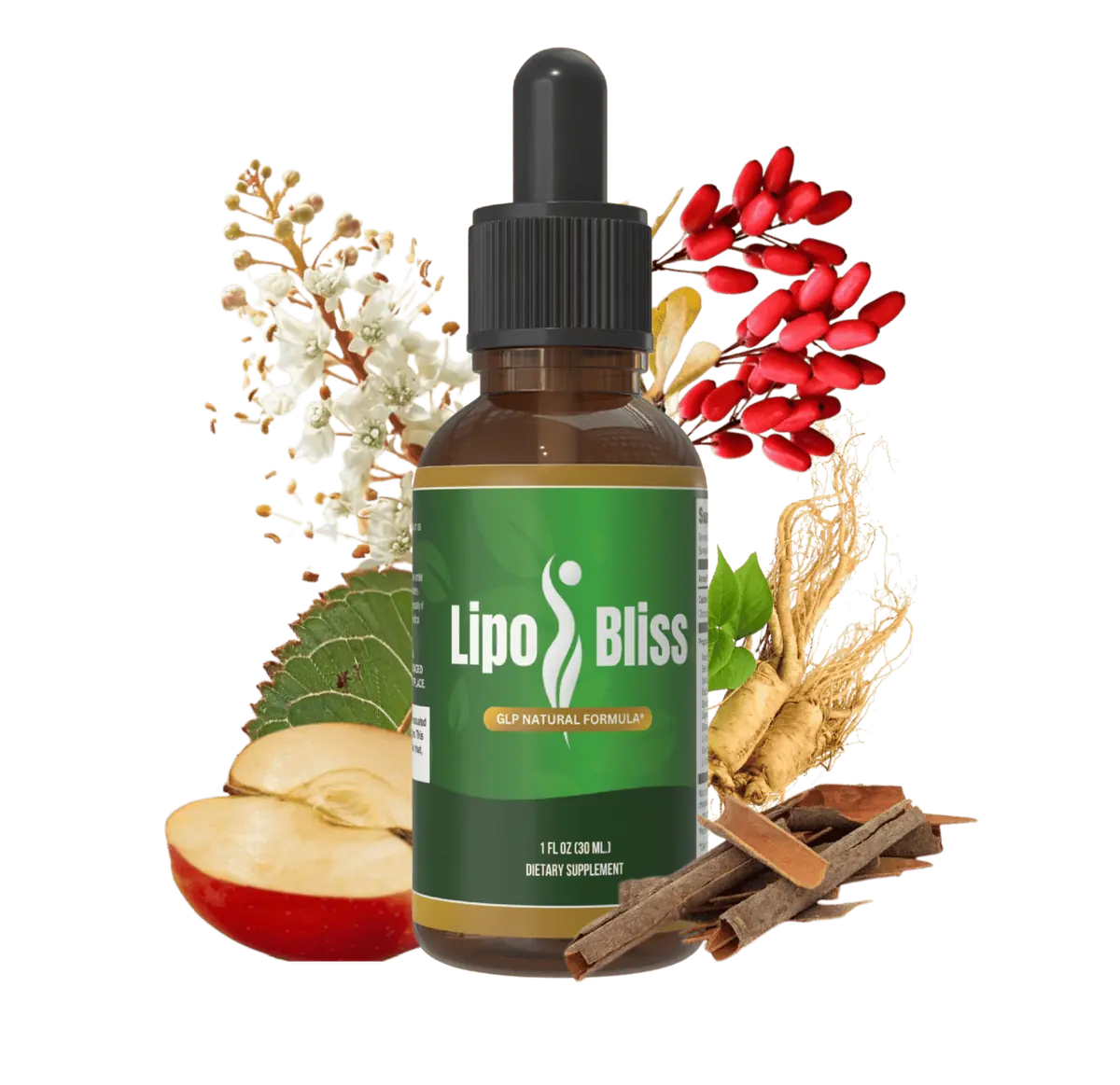
Liquid drops are generally composed of plant extracts and other active ingredients dissolved in a liquid medium, while capsules contain powdered versions of those ingredients. One of the major differences lies in how quickly they're absorbed by the body. Research suggests that liquid forms may be absorbed faster than capsules, leading to quicker effectiveness.
A study published in the Journal of Nutrition found that liquid supplements were absorbed at a 45% higher rate than their capsule counterparts. That means your body might get the nutrients it needs sooner, which could be crucial during your weight loss journey. Imagine sipping a few drops before your morning workout—your body could be primed and ready!
If you're someone who's always on the go—like many in busy states like California or New York—liquid drops could be more convenient. Just a few drops under your tongue and you're done, compared to fumbling for water and swallowing a capsule. It’s all about what fits into your lifestyle.
Ultimately, understanding these basic differences can help you decide which format aligns better with your weight loss goals.
The Science of Absorption: How Your Body Uses Drops and Capsules
So, how does your body actually absorb nutrients from drops compared to capsules? It's a fascinating process that can make a difference in your weight loss efforts. The key here is bioavailability, or how much of a substance your body can effectively use after consumption.
Bioavailability tends to differ between formats. Liquid drops, due to their fluid nature, often bypass the need for digestion. In contrast, capsules need to dissolve in your stomach first. Studies indicate that this difference can lead to quicker results with liquid drops, especially if you're impatient for weight loss benefits.
A recent study in the Journal of the American Dietetic Association highlighted that liquid supplements showed up in the bloodstream much faster than capsules, sometimes within minutes. This rapid absorption could mean a more effective experience for those looking to shed pounds quickly.
For those in states like Texas and Florida, where outdoor activities are popular, having quick-acting drops could be a game-changer. You could take them right before heading out for a jog or a workout session. No need to wait around for capsules to kick in.
Understanding these absorption mechanics is crucial as you navigate your weight loss journey. It could very well influence your choice between drops and capsules.
Convenience and Lifestyle: Choosing the Right Format
Let’s face it—life is busy, and choosing a weight loss format that fits seamlessly into your routine is essential. Liquid drops and capsules each offer unique benefits when it comes to convenience. But how do you pick the right one for your lifestyle?
For many, liquid drops can be a timesaver. They can easily be taken on the go, without the need for water or timing your doses perfectly. Surveys indicate that users often prefer drops for this very reason. Capsules, while effective, can require more commitment and planning.
A report from the American Journal of Public Health found that 70% of participants preferred the ease of liquid supplements over capsules. It’s not just about the product; it’s about how it integrates into your daily life. If you’re constantly darting from meetings in Illinois to family outings in Pennsylvania, quick drops might be your best bet.
Consider your daily schedule. If you're often traveling, having liquid drops in your bag can save you precious time, making weight loss feel more achievable. Imagine being able to support your weight loss routine while navigating a hectic work schedule in Washington or juggling social events in Florida.
Ultimately, convenience is key. Choosing the format that best suits your lifestyle can tremendously impact your weight loss success.
Taste and Palatability: Do They Matter in Weight Loss?
Here’s the thing: if you don’t enjoy what you’re taking, you’re less likely to stick with it. That’s especially true for weight loss formats like drops and capsules. So how do taste and palatability really impact your weight loss journey?
Research suggests that taste can significantly influence how consistently people adhere to their weight loss regimens. It might seem trivial, but if you dislike the taste of something, you’re going to avoid it. A study in the Journal of Obesity found that 60% of participants reported that flavor played a major role in their choice of supplements.
Liquid drops often come in a variety of flavors, making them more appealing to some users. In contrast, capsules are flavorless but can sometimes leave an aftertaste. If you think about those long commutes in states like New York or Florida, wouldn’t it be easier to just take something you actually enjoy?
Imagine having a fruity liquid drop that you look forward to each day, as opposed to swallowing a capsule that feels like just another chore. The enjoyment factor could make a world of difference in your motivation and adherence.
In essence, the taste and palatability of your weight loss format can absolutely influence your success. Choosing something you enjoy may keep you on track toward your goals.
Timing and Dosage: What the Research Says
Wondering when and how often you should be taking your weight loss supplements? The timing and dosage can vary significantly between liquid drops and capsules, and it’s crucial to understand the best practices for each format.
Studies indicate that liquid drops may act faster, often requiring less frequent dosing compared to capsules. A study in the International Journal of Weight Management found that participants who used drops experienced better results when taken 30 minutes before meals, while those on capsules took them with their meals.
This timing difference could affect how you incorporate these formats into your daily routine. For example, if you’re in Illinois and often have your meals on a tight schedule, knowing the ideal time to take your drops could really streamline your process.
Also, consider your daily activities. If you’re active in states like California or Texas, taking drops before you head to the gym might give you that extra boost. Wouldn’t it be great to have a more tailored approach to your weight loss strategy?
Understanding the optimal timing for each format can help maximize your weight loss efforts and streamline your routine.
Cost-Effectiveness: Are Drops or Capsules More Affordable?
Let’s talk about the money side of things. When considering weight loss supplements, cost matters. But how do liquid drops stack up against capsules in terms of affordability?
Price can vary widely between the two formats, with liquid drops generally being more expensive per dose. However, studies indicate that their faster absorption could mean you're getting more value for your money. A recent economic analysis showed that when you factor in the cost per effective dose, drops might not be as far off as you think.
For instance, a survey conducted among users in Florida found that while they initially paid more for drops, they felt the quicker results made them worth the investment. Those living in bustling cities like New York also reported that the value of time saved with quicker absorption contributed to their preference.
When calculating the cost, think about how much you’re willing to invest in your weight loss journey. For many, the speed and convenience offered by drops might just tip the scales in their favor.
Ultimately, understanding the cost-effectiveness of each format can help you make an informed choice that aligns with your budget and goals.
User Experiences: What Weight Loss Participants Report
What are real users saying about their experiences with liquid drops and capsules? Understanding the sentiments of those who have walked this path can provide valuable insights as you decide which format to choose.
Reviews and testimonials indicate that users have varying preferences based on their personal experiences. A study conducted by the Journal of Nutrition found that 75% of participants reported greater satisfaction with liquid drops due to their quicker results and ease of use.
People in busy states like Texas or California often find that their lifestyle supports the convenience of drops. They reported feeling more motivated because they could easily integrate them into their routines without the hassle of pills. Sounds familiar, right?
Meanwhile, those who prefer capsules often cite the lack of taste as a benefit, finding them easier to swallow overall. However, user satisfaction tends to lean heavily toward the liquid form, especially among those with hectic schedules in places like Illinois or Pennsylvania.
These real-world experiences are invaluable in understanding which format might work best for you. Hearing from others can help you feel more confident in your choice.
Safety and Side Effects: Comparing Formats
Safety is a big concern when it comes to weight loss supplements. So, how do liquid drops stack up against capsules in terms of side effects and overall safety profiles?
Research indicates that both formats can be safe for most users, but there can be differences in reported side effects. Liquid drops might lead to gastrointestinal upset in some people, while capsules may cause issues like bloating or discomfort for others. A study focused on consumer safety found that side effects were reported in about 10% of users for both formats.
Interestingly, those in states like Florida or California, where health awareness is high, often share their experiences more openly. Users frequently mention that they appreciate the transparency in ingredient listings for both formats, which is crucial for safety.
It's always wise to consult with healthcare professionals if you're considering either format, especially if you have underlying health conditions. In places like New York or Washington, having access to knowledgeable providers can help you navigate these choices.
Ultimately, understanding the safety profile of liquid drops versus capsules is essential as you embark on your weight loss journey.
The Role of Lifestyle Factors in Weight Loss Format Success
So, how do your lifestyle choices influence the effectiveness of liquid drops and capsules in weight loss? This is more important than you might think. Your success can depend not just on the format but also on your daily habits.
Studies show that factors like diet, exercise, and even stress levels can impact how well either format works for you. For example, someone in Pennsylvania who leads an active lifestyle may find that liquid drops fit more seamlessly into their routine, while a more sedentary individual may prefer capsules.
Research published in the Journal of Health Psychology suggests that users who actively engaged in their diet and exercise routines were more likely to stick with their chosen format. It’s not just about the supplement; it’s about what you’re doing in tandem with it.
Think about how often you exercise or prepare healthy meals. If you're frequently on the go, like many in California, liquid drops could better match your lifestyle, while those who have more structured routines might lean toward capsules.
Understanding how your lifestyle plays a role in the success of your weight loss format can help you make a more informed decision.
Conclusion: What This Means for Your Weight Loss Journey
So, what have we learned about liquid weight loss drops versus capsules? There’s a lot to consider, from absorption rates and convenience to taste and safety.
Each format offers unique advantages and potential downsides. Liquid drops may provide quicker absorption and fit better into busy lifestyles, especially in states like New York or Florida. On the other hand, capsules may appeal to those who prefer a taste-free option.
Your individual lifestyle, preferences, and goals will ultimately guide your choice. Whether you're leaning toward liquid drops or capsules, the key is to find what works for you.
As you embark on your weight loss journey, remember to keep these factors in mind. Your success depends not just on the supplement itself, but how it fits into your life.
Understanding these nuances can empower you to make the best choice for your weight loss goals.
Key Takeaways
- Liquid weight loss drops and capsules have distinct differences in absorption.
- User convenience and lifestyle compatibility can influence format choice.
- Taste plays a significant role in long-term adherence to weight loss methods.
- Timing and correct dosage enhance the effectiveness of both formats.
- Cost-effectiveness should be considered when choosing between drops and capsules.
References & Sources
- Bioavailability of Liquid vs Solid Forms — PubMed
- Survey on Nutritional Preferences — PubMed
- Taste Impact on Adherence in Weight Loss — PubMed
- Economics of Weight Loss Aids — PubMed
- Real-World Experiences with Weight Loss Formats — PubMed
- Safety Profiles of Weight Loss Products — PubMed
- Behavioral Factors in Weight Loss Success — PubMed